Modern rugby asks players not only to excel in their main position but also to adapt quickly to the changing demands of a match.
Players who can perform several tactical roles are becoming especially valuable.
What versatility means
Traditionally, each position comes with a defined set of responsibilities.
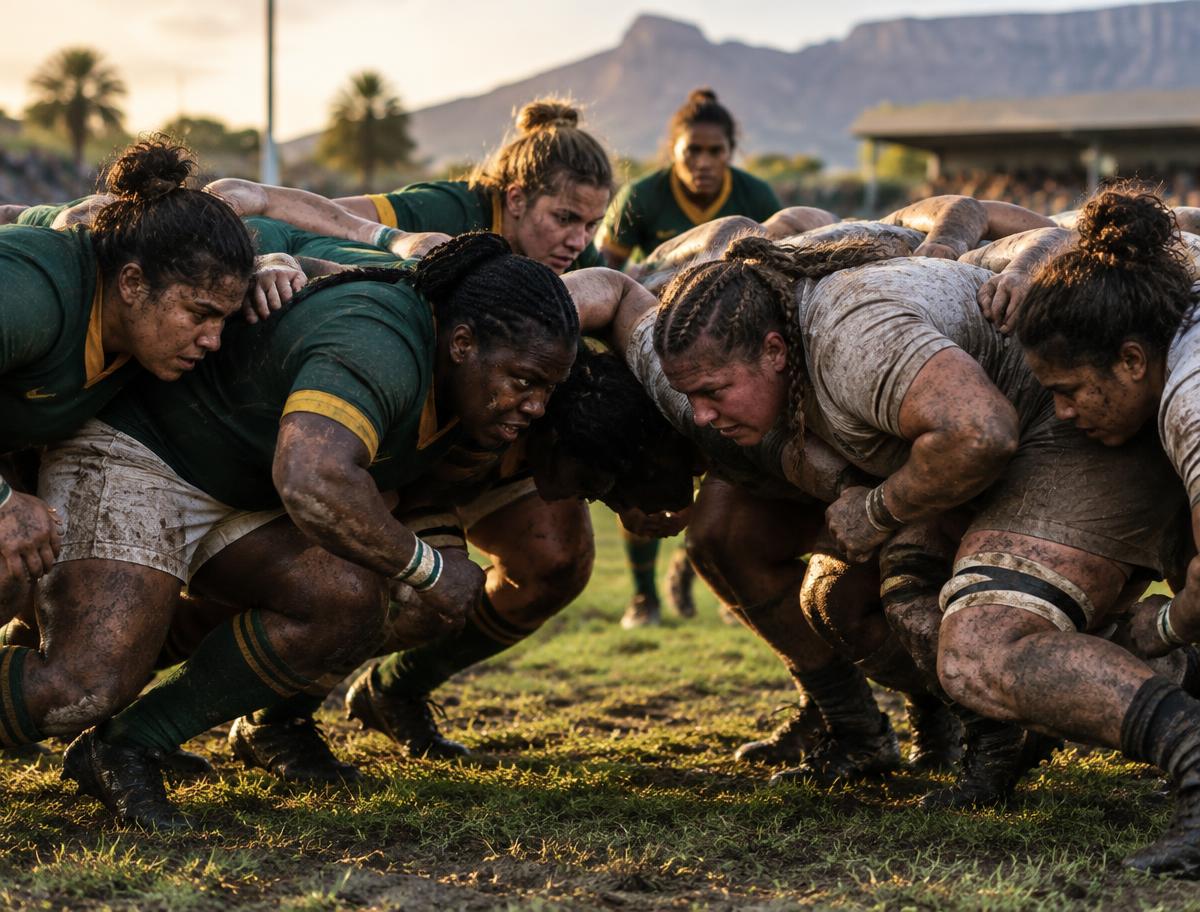
Forwards handle the physical contest, scrums and lineouts, while backs are more involved in fast attacks, passing and territorial kicking.
But the boundaries between these roles are not always rigid.
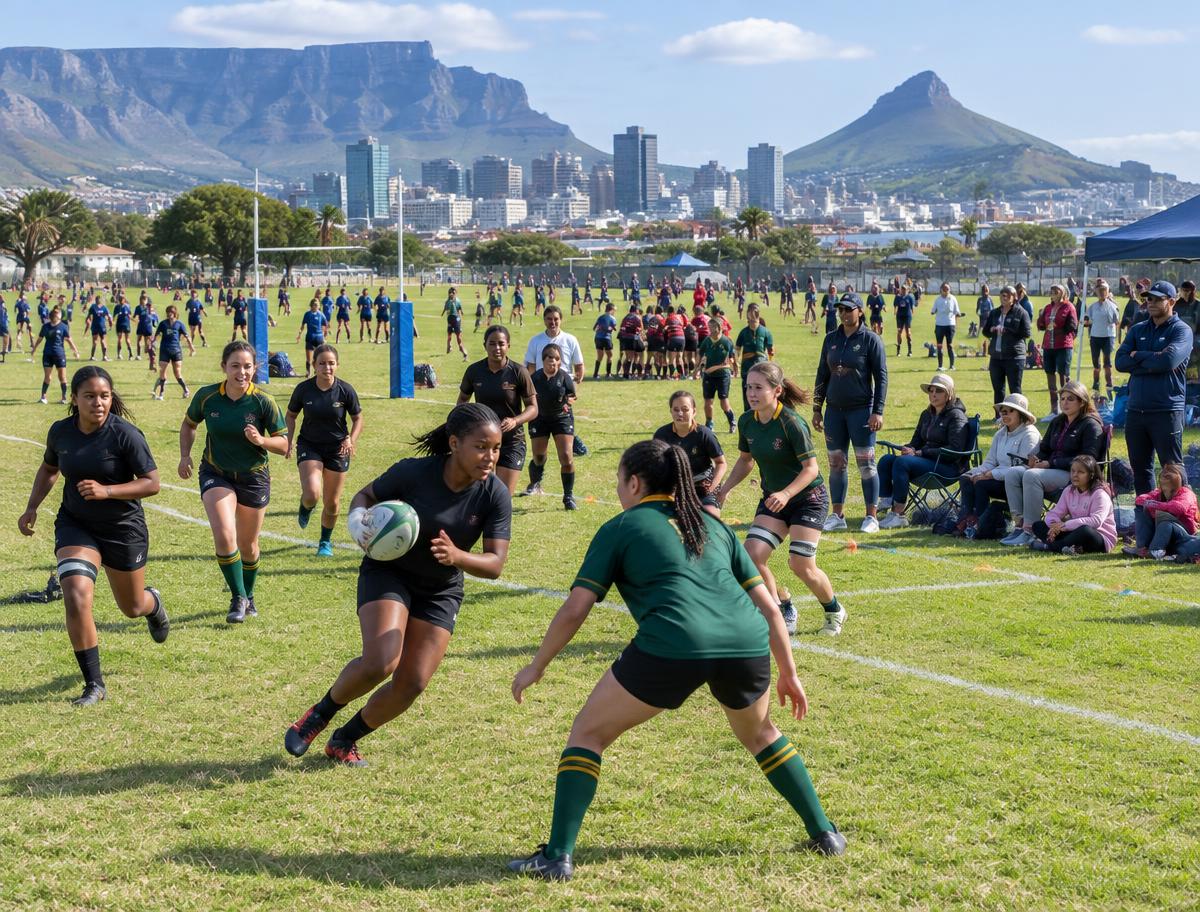
Some players can operate in several positions, helping the coaching staff change the shape of the team without extra substitutions.
A Springbok Women example
One example is Aphiwe Ngwevu. In the 2026 season, South Africa's coaches used her both in the midfield and as a flanker.
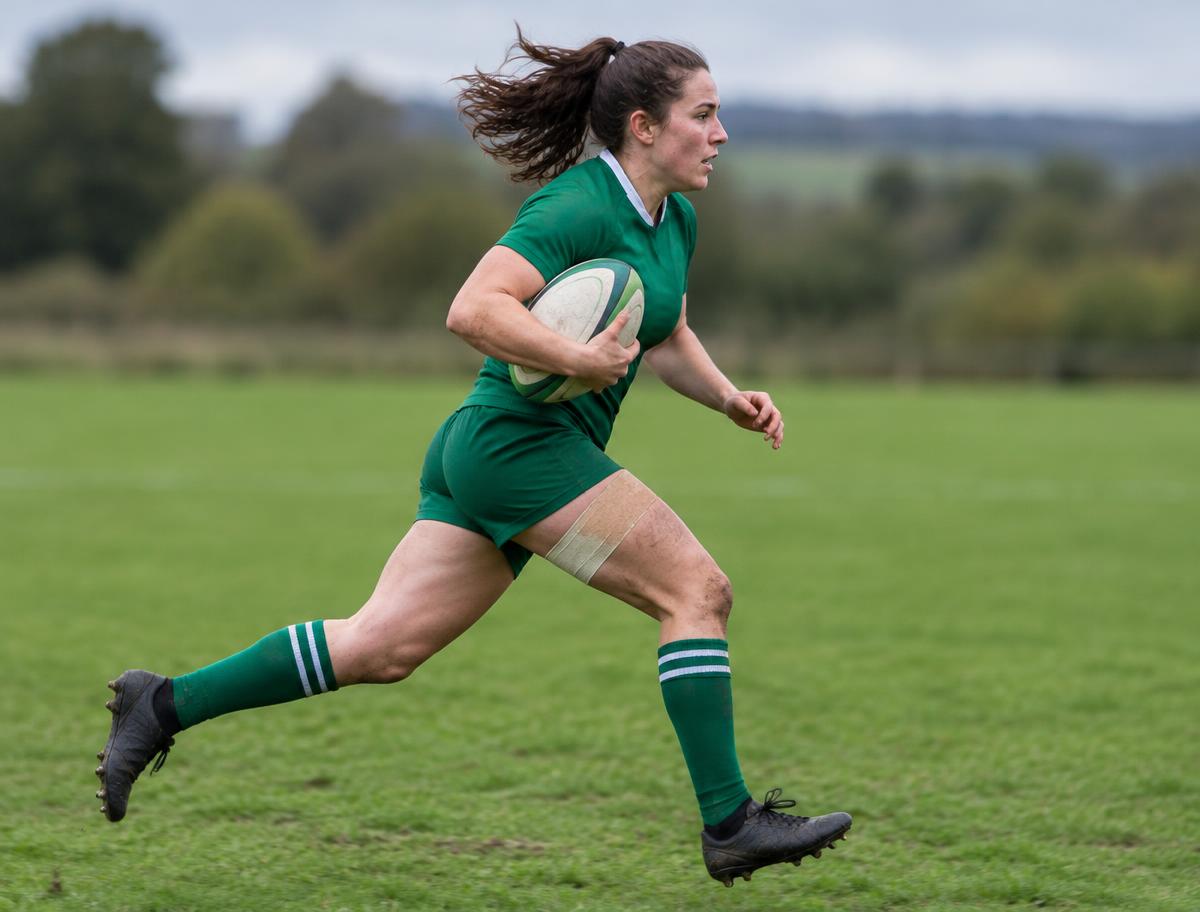
Against Italy she played at centre, and against Spain she appeared as a loose forward.
That kind of versatility widens the coaches' options when picking the bench.
Why it matters when injuries strike
The international calendar is physically demanding. Injuries and recovery needs can lead to unexpected reshuffles.
When a squad includes players who can perform several roles well, the team gains extra flexibility.
Versatility does not mean any player can switch positions without preparation, however. This applies above all to the front row, where specific training and safety requirements apply.
How it shapes young players
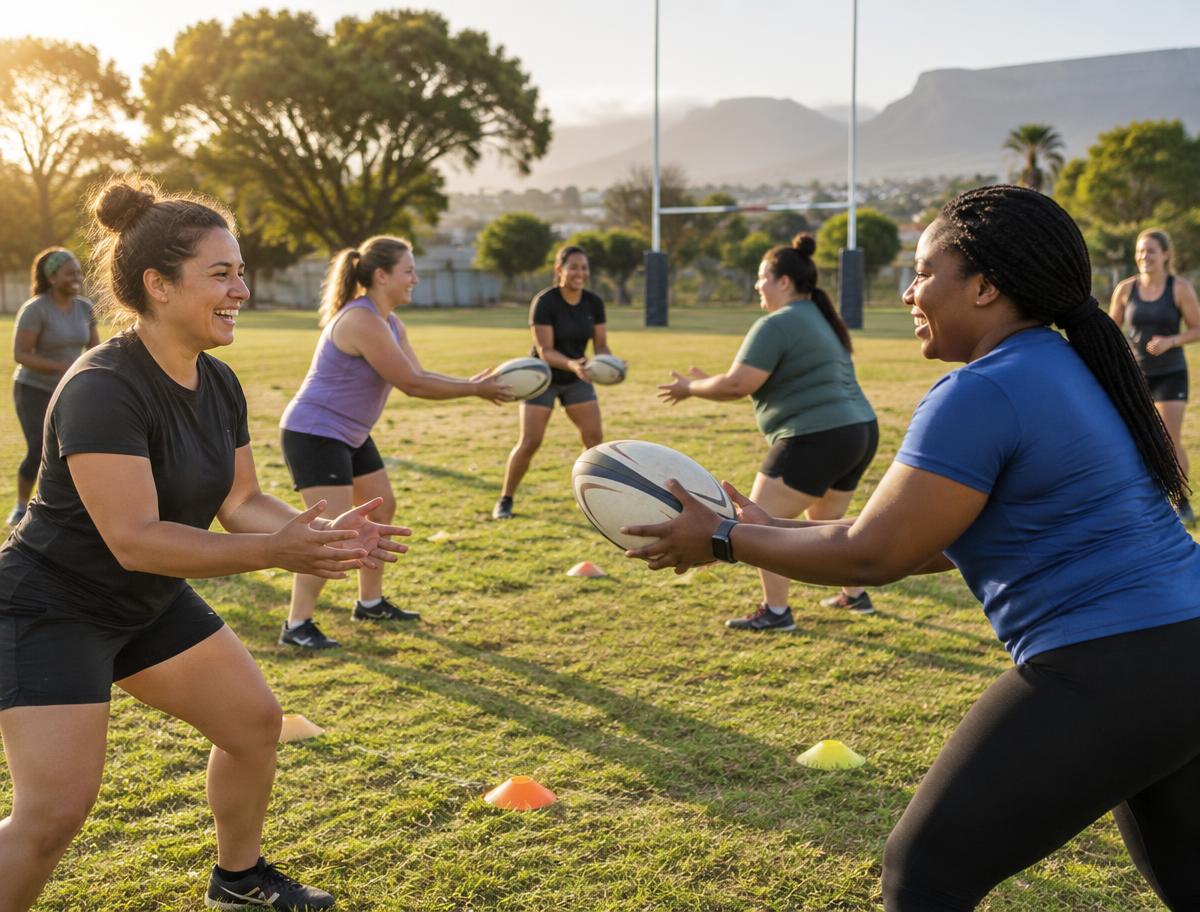
Early in a playing career, experience in different positions can help a player understand the game better.
A player who has attacked and defended in different areas of the field gains a broader picture of the team's tactical tasks.
As the level of competition rises, though, specialist skills remain essential.
For the Springbok Women, finding versatile players is part of building a deeper squad ahead of the 2029 World Cup.