How does domestic women’s rugby work in South Africa?
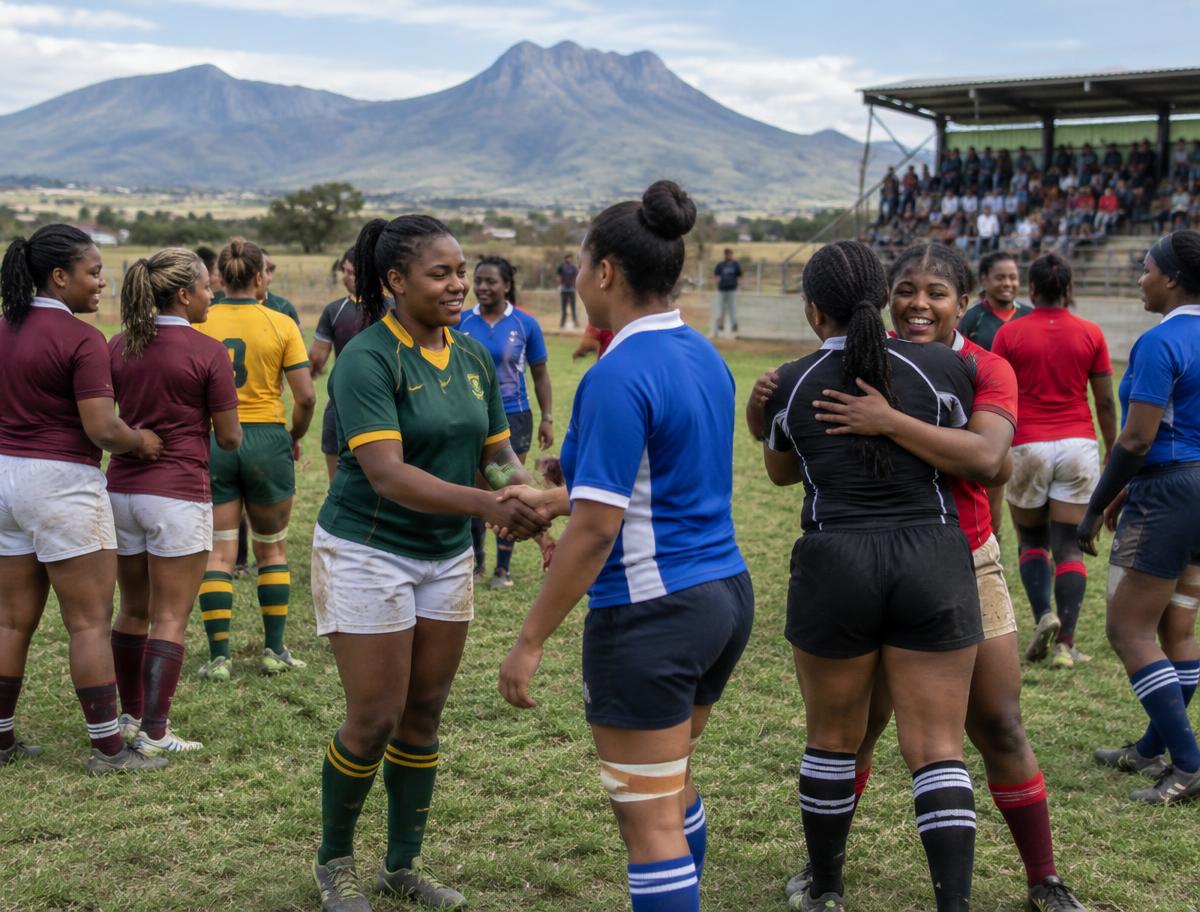
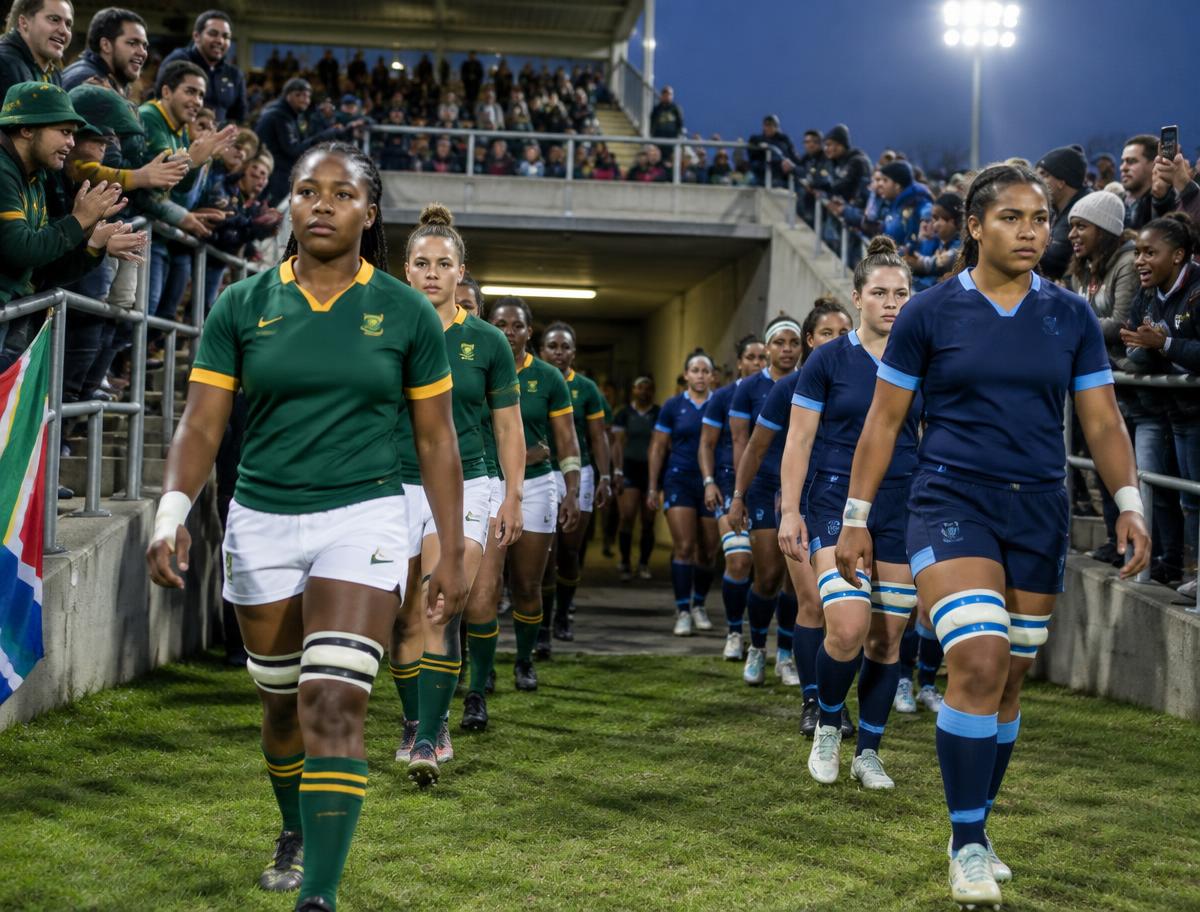
The Springbok Women are the highest level of women’s 15-a-side rugby in South Africa, but the national team depends on a strong domestic competition beneath it.
That is where the Pick n Pay Women’s Super League 1 and Super League 2 come in.
The two competitions bring together provincial teams from across the country and provide regular high-level matches for senior players. They also give national selectors an opportunity to watch potential Springbok Women in competitive action.
The structure was given a significant boost in 2026, when SA Rugby formally introduced the two competitions under the Super League name. Super League 1 replaced the former Women’s Premier Division, while Super League 2 replaced the Women’s First Division.
In 2026, the two leagues operated as separate competitions. Super League 1 was the higher level, while Super League 2 provided another national platform for provincial teams.
What is the Women’s Super League 1?
The Pick n Pay Women’s Super League 1 is the top level of South Africa’s provincial women’s 15-a-side rugby.
In 2026, eight teams competed:
- Isuzu Bulls Daisies
Sanlam Boland Dames
Border Ladies
EP Queens
Free State Women
Golden Lions Women
Sharks Women
DHL Western Province
The competition began on 14 February and used a single round-robin format, meaning each team played the other teams once. The top two sides then met in the championship final on 4 April.
The Isuzu Bulls Daisies entered the 2026 season as defending champions and once again reached the final. They defeated the Sanlam Boland Dames 36-15 at Loftus Versfeld in Pretoria to win the title for a fourth consecutive year.
The competition has a relatively short season compared with many men’s domestic rugby competitions. That allows the women’s provincial calendar to fit around other commitments, including international rugby.
Where did Super League 1 come from?
The competition has a history that predates its current name.
The Women’s Premier Division returned in an expanded format in 2021. Border Ladies won the title that year, beating DHL Western Province in the final, and successfully defended it in 2022.
DHL Western Province won the championship in 2019, while the competition was not held in 2020 because of the COVID-19 pandemic.
The Isuzu Bulls Daisies then established themselves as the dominant side of the recent era. Their 2026 victory was their fourth consecutive title.
The 2026 rebranding therefore did not create an entirely new competition. Instead, it placed the top-level provincial championship under the new Super League name.
What is the Women’s Super League 2?
The Pick n Pay Women’s Super League 2 is the second level of South Africa’s senior provincial women’s rugby.
In 2026, it featured seven teams:
- Hollywood Foundation Pumas Women
AVBOB Griquas Women
Griffons Women
Leopards Women
Limpopo Blue Bulls Women
SWD Eagirls
Valke Women
The competition began in July and used a single round-robin format, with each team playing every other team once.
Unlike Super League 1, however, Super League 2 did not go directly from the league phase to a championship final. The top four teams qualified for the semi-finals, with the winners advancing to the final.
The Griquas Women eventually won the 2026 title, defeating the Pumas Women 31-25 in the final in Nelspruit.
Super League 2 was previously known as the Women’s First Division. Like Super League 1, it was rebranded as part of the new structure for 2026.
Why are there two leagues?
The two-level system allows more provincial teams to compete in organised national-level rugby without putting every team into one competition.
Super League 1 concentrates the country's strongest provincial programmes. Super League 2 provides another competitive environment for teams that are not part of the top division.
This distinction is important for player development.
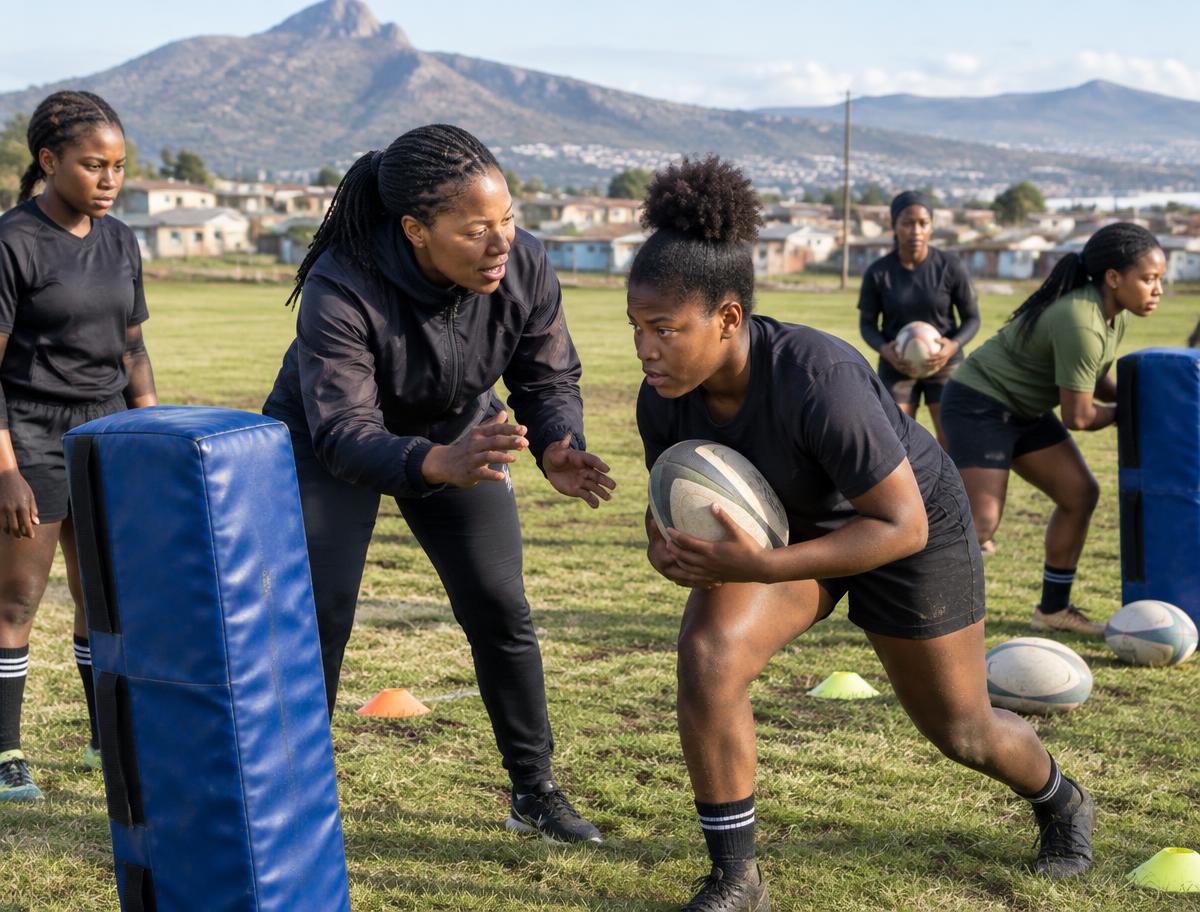
A young player does not necessarily need to join one of the biggest provincial programmes immediately. Super League 2 gives players another opportunity to play senior rugby, develop their skills and attract attention from coaches and selectors.
The two competitions therefore form part of a wider pathway towards higher levels of the game.
How does domestic rugby help the Springbok Women?
The connection between the provincial leagues and the national team is particularly important.
After the 2026 Super League 1 season, then-Springbok Women head coach Swys de Bruin praised the eight participating teams, saying the competition gave the national coaching set-up valuable insight and helped uncover new talent.
That makes provincial rugby much more than a competition for trophies.
National coaches can watch players perform over a series of competitive matches rather than relying only on training camps or isolated performances. Players also have the opportunity to demonstrate consistency, tactical understanding and their ability to perform under pressure.
The 2026 season provided several examples of this connection. Springbok Women squads contained a mixture of established internationals and uncapped players, while provincial competitions continued to provide opportunities for emerging talent.
Why is the single-round format important?
Both Super League 1 and Super League 2 used a single round of matches in 2026.
That means teams have relatively little room for error.
In a longer double-round competition, a team can recover from a poor result by beating the same opponent later in the season. In a single-round format, there is no second meeting.
Every result therefore matters, particularly when teams are competing for a place in the play-offs or final.
The format also makes the competitions easier to fit into the wider South African rugby calendar.
Super League 1 and Super League 2 are not the whole system
The two Super Leagues are important, but they are only part of women’s rugby in South Africa.
Below the senior provincial competitions are schools, youth programmes, clubs, universities and development initiatives. SA Rugby has also continued to expand age-group opportunities for girls, including national U18 and U20 programmes.
At the other end of the pathway sits the Springbok Women, while the national Sevens programme provides another route for players with the speed and skills required for the shorter format.
SA Rugby has also discussed further opportunities to expand the elite domestic women’s game, including potential franchise-based competition.
That means the domestic structure is still evolving.
Which teams should new fans watch?
The Isuzu Bulls Daisies are the obvious starting point. They have dominated Super League 1 in recent years and won the 2026 title for the fourth consecutive season. Their success has made them one of the most prominent women’s provincial rugby programmes in the country.
The Sanlam Boland Dames are another team to watch. They reached their first Super League 1 final in 2026 before losing to the Daisies.
DHL Western Province also have a strong history in the competition, winning the title in 2019 and reaching several finals.
In Super League 2, the AVBOB Griquas Women are the current champions after their 31-25 victory over the Pumas Women in the 2026 final.
Why the Super Leagues matter
For a new supporter, it can be tempting to focus only on the Springbok Women. But the national team exists within a much larger domestic system.
The Super Leagues give provincial players regular competitive rugby, create opportunities for emerging talent and provide a platform from which players can progress towards the national team.
Super League 1 is currently the country's top provincial women’s competition, while Super League 2 broadens the competitive pathway to more regions and players.
The 2026 season represents an important step in organising that pathway more clearly. With the two competitions now operating under the Super League name and further elite opportunities being considered, South African women’s domestic rugby is continuing to develop.
For anyone who wants to understand where the next generation of Springbok Women will come from, the Super Leagues are one of the best places to start.
Sources
- SA Rugby — Pick n Pay Women’s Super League 1 official competition
- page.
SA Rugby — Pick n Pay Women’s Super League 2 official competition page.
SA Rugby — 2026 domestic competition schedule.
SA Rugby — Huge boost for women's rugby as new Super League kicks off, 11 February 2026.
SA Rugby — De Bruin applauds Daisies and Pick n Pay WSL 1, 7 April 2026.
SA Rugby — Dames have it all to play for as Pick n Pay Women's Super League 1 concludes, 26 March 2026.
Leopards eliminated as Pick n Pay WSL 2 semi-finalists are confirmed, 16 August 2026.
Pumas to host Griquas in Pick n Pay WSL 2 final, 23 August 2026