Why provincial rugby matters
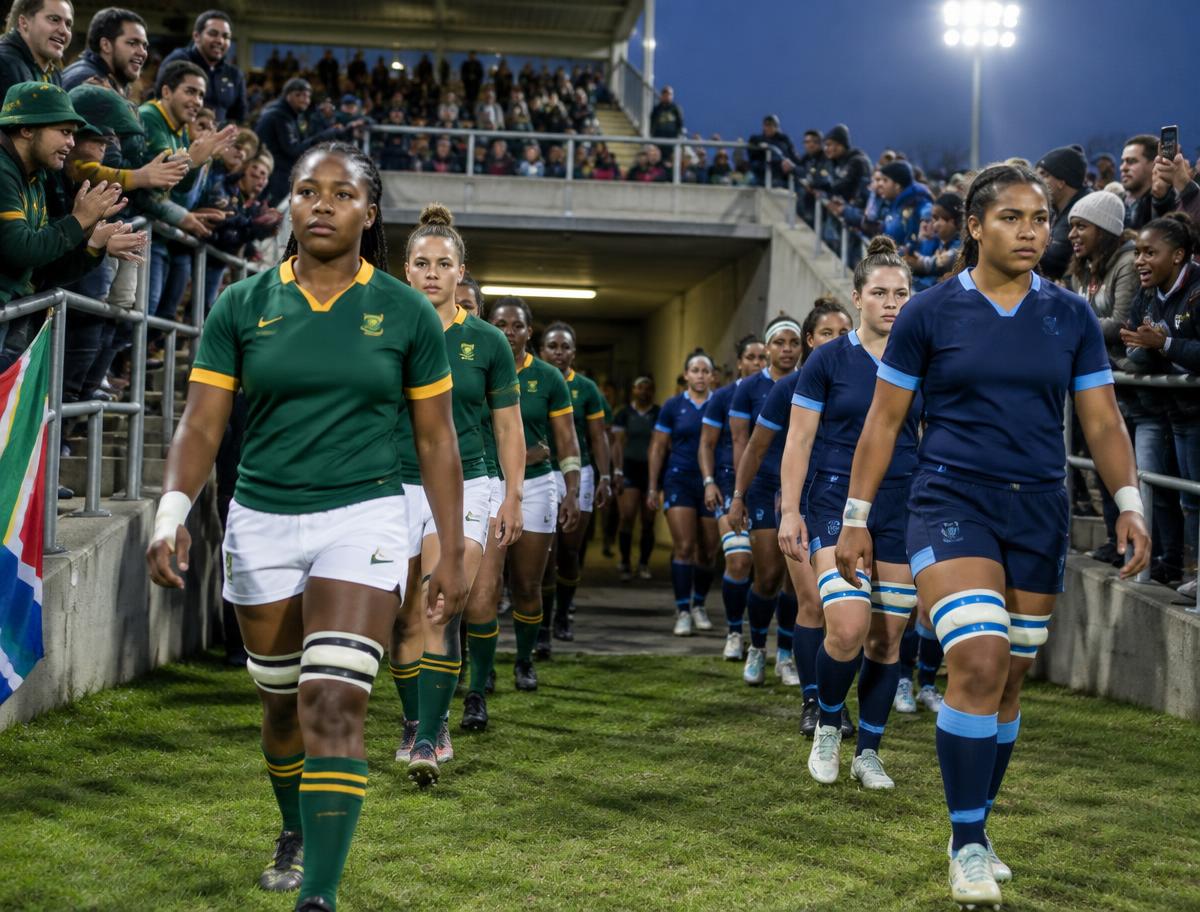
The Springbok Women may be the most visible part of South African women’s rugby, but the national team is built on a much wider domestic system.
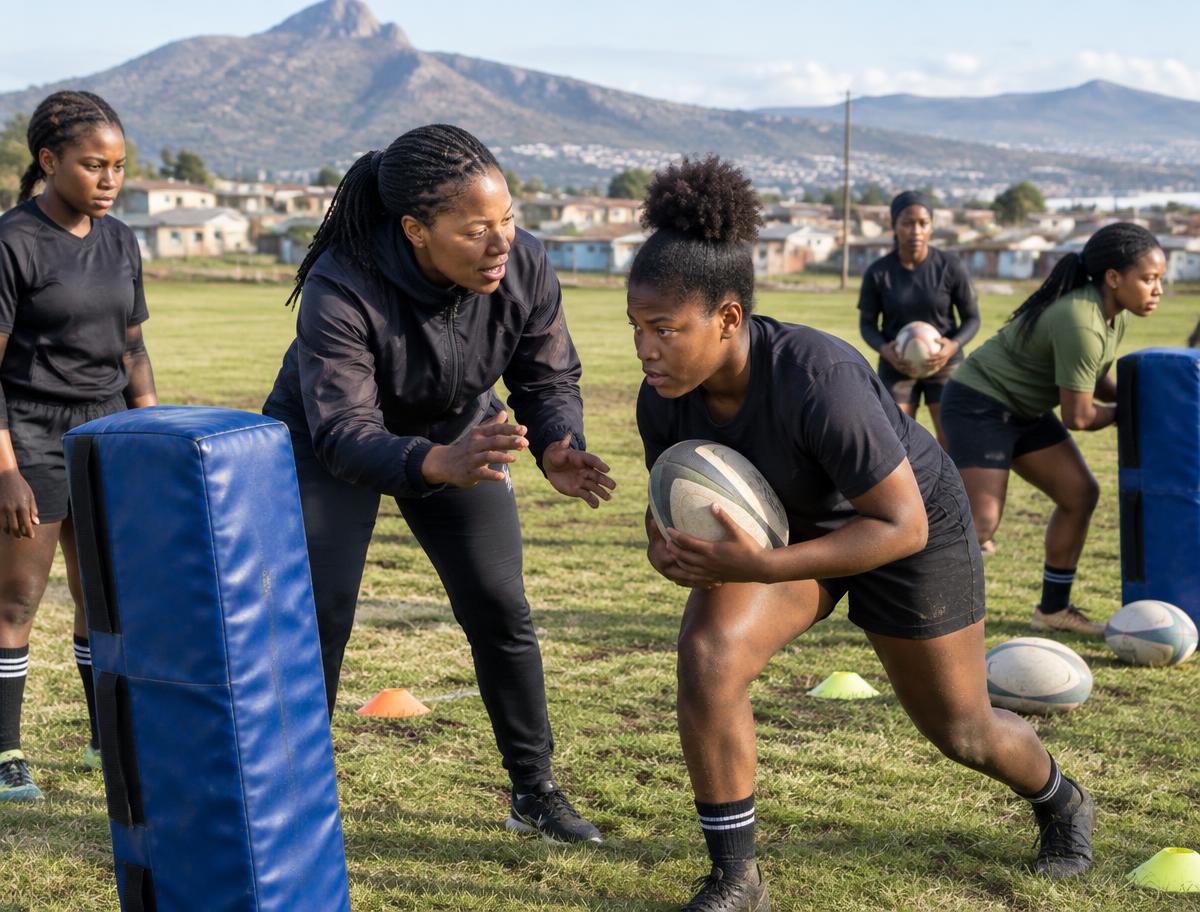
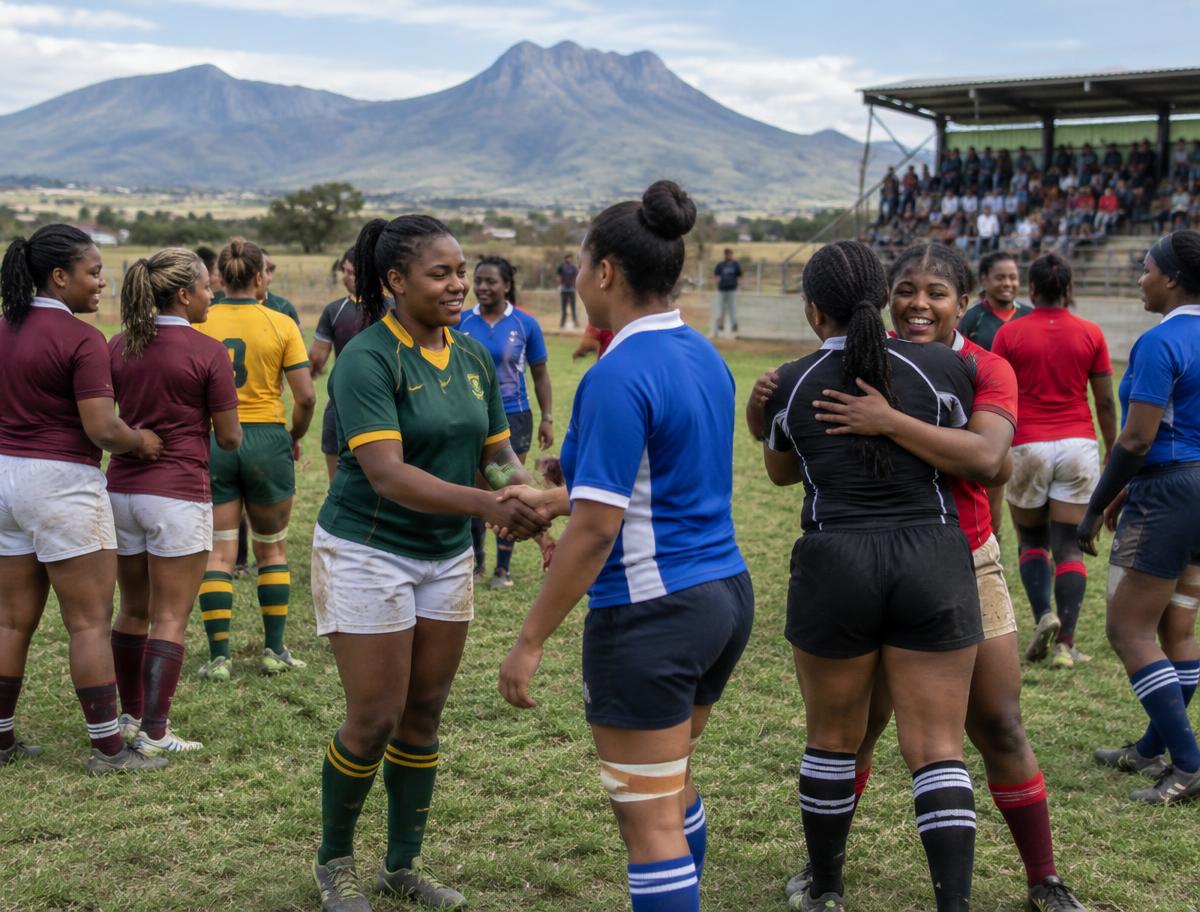
At the centre of that system are the provincial teams competing in the Pick n Pay Women’s Super League 1 and Super League 2. These competitions give players regular senior rugby and provide coaches with an opportunity to assess talent in competitive matches.
The importance of that pathway was highlighted after the 2026 Super League 1 season by then-Springbok Women head coach Swys de Bruin. He praised all eight teams involved, saying the competition gave the national coaching set-up valuable insights and helped uncover new talent.
For players hoping to reach the Springbok Women, provincial rugby is therefore more than a chance to win a domestic trophy. It is one of the main environments in which they can develop and demonstrate their ability.
Isuzu Bulls Daisies: the team to beat
No discussion of South African provincial women's rugby in 2026 can begin anywhere other than the Isuzu Bulls Daisies.
The Pretoria-based side has dominated the country's top provincial competition in recent years. In April 2026, the Daisies defeated the Sanlam Boland Dames 36-15 at Loftus Versfeld to win the Super League 1 title for the fourth consecutive year.
Their run of success has made the Daisies one of the most prominent women's rugby programmes in South Africa.
The Daisies have also become an important source of players for the national setup. Their sustained success demonstrates the depth and quality of their provincial programme and sets a high standard for other teams in the competition.
The team's success also gives players experience in a high-performance environment. Regularly competing for domestic honours can help players develop their skills while giving national coaches an opportunity to assess them in demanding matches.
Sanlam Boland Dames: a growing force
The Sanlam Boland Dames have become one of the strongest challengers to the Daisies.
The Wellington-based side finished second in the 2026 Super League 1 regular-season standings and reached the final for the first time.
Their progress is significant because it shows that the provincial competition is not simply a one-team story.
The Dames entered the 2026 final with a chance to win their first top-flight title, although the Daisies ultimately prevailed 36-15.
Boland also provides an important provincial environment for players in the Western Cape. Its programme gives athletes an opportunity to develop through senior rugby and compete at the highest provincial level.
For supporters looking for the team most likely to challenge the Daisies, the Dames are an obvious place to start.
DHL Western Province: a historic programme
DHL Western Province is another central name in South African women's rugby.
Western Province won the country's top women's provincial championship in 2019. The team also reached the finals of the revived Women’s Premier Division in 2021 and 2022, losing to Border Ladies on both occasions.
The programme has remained an important part of the provincial game. In 2026, Western Province began the Super League 1 season strongly, remaining unbeaten through the opening rounds before eventually finishing behind the Daisies and Dames.
Its importance is not limited to senior rugby. Western Province is also involved in the broader provincial pathway, including age-group rugby.
The 2026 U20 Women’s Week, for example, placed Western Province in the top tier alongside Border, the Blue Bulls, Golden Lions, KZN, Eastern Province, Boland and Free State. Western Province went on to win the tournament, defeating Eastern Province 36-7 in the final for their fourth consecutive U20 Women’s Week title.
That connection between senior and youth rugby is important. A strong provincial union needs to develop players before they reach the senior team, rather than simply relying on established talent.
Border Ladies: a historic powerhouse
The Border Ladies have one of the strongest histories in South African women's provincial rugby.
The team, based in the Eastern Cape, won the national women's provincial title in 2021 and 2022. The revamped Women’s Premier Division returned to the SA Rugby provincial calendar in 2021, after no competition was held in 2020 because of the COVID-19 pandemic.
Border's history is important because it demonstrates that the development of women's rugby in South Africa extends beyond the country's biggest metropolitan centres.
Border remains an important part of the women’s rugby pathway in the Eastern Cape. The province also features in the country's youth structure, with Border among the unions whose U20 women's programmes competed in the top tier of the 2026 U20 Women's Week.
Other Super League 1 programmes
The top division is deliberately broader than the four most prominent names.
The Golden Lions Women, EP Queens, Sharks Women and Free State Women complete the eight-team Super League 1 field in 2026.
These teams are important because they give players from different parts of South Africa access to high-level provincial rugby.
The 2026 season showed the competitive variety within the league. The Golden Lions recorded their first victory early in the campaign, while the Sharks secured their first win in the fourth round.
Not every province will produce a championship contender every year. But having teams from multiple regions competing against one another gives more players the opportunity to play senior rugby at a high standard.
Super League 2 expands the pathway
The development of women's provincial rugby does not stop with Super League 1.
Super League 2 provides another national-level competition for provincial teams outside the top division. In 2026, the competition included the Hollywood Foundation Pumas Women, AVBOB Griquas Women, Griffons Women, Leopards Women, Limpopo Blue Bulls Women, SWD Eagirls and Valke Women.
The second tier is important because not every talented player starts her career in one of the country's strongest programmes.
For some players, Super League 2 can provide an opportunity to develop through senior provincial rugby, gain experience and progress towards higher levels of the game.
The same principle applies to the provinces themselves. A strong second-tier competition means more regions can maintain women's rugby programmes and give local players a reason to remain in the sport.
Provincial rugby and the Springbok pathway
The connection between the provincial game and the Springbok Women is becoming increasingly deliberate.
SA Rugby's national pathway includes age-group programmes and alignment camps designed to identify players before they become established internationals. In April 2026, the Springbok Women held an alignment camp featuring 34 players, including 10 uncapped players.
The U20 pathway is also becoming more structured. An April 2026 national U20 women's alignment camp brought together 18 promising players for specialised coaching within the national setup.
Players can reach the national setup through different routes, including provincial rugby, age-group programmes, development squads and alignment camps.
A provincial player may be selected for an age-group or national development programme, invited to an alignment camp and eventually compete for a place in the Springbok Women squad. Other players may move between 15-a-side and Sevens rugby as their careers develop.
The route is not identical for everyone. But provincial rugby remains one of the most important foundations of the system.
The provinces are developing more than players
A strong provincial programme does more than produce future internationals.
It also helps develop coaches, referees, administrators and support staff, creating a broader infrastructure around women's rugby.
That matters because the growth of the sport depends on more than increasing the number of players. Teams need qualified coaches, medical support, competition organisers and facilities if women's rugby is to become sustainable.
SA Rugby has also been investing in the development of women's coaches. Former Springbok Women players Laurian Johannes-Haupt and Zenay Jordaan were among the coaches progressing through the World Rugby Level 3 coaching pathway.
The provincial system is therefore part of a much larger ecosystem.
Why the provincial game matters for the future
South African women's rugby has made significant progress, but the national team's ambitions are now much higher.
The Springbok Women remain one of the leading women's 15-a-side teams in Africa and reached the quarter-finals of the 2025 Women's Rugby World Cup. Their next challenge is to compete more consistently against the strongest teams in the world.
That requires a deeper pool of players.
Provincial rugby is where much of that depth is created.
The Bulls Daisies demonstrate what a high-performance programme can achieve. The Boland Dames show that new challengers can emerge. Western Province and Border demonstrate the importance of established provincial traditions, while the other Super League 1 and Super League 2 teams ensure that opportunities are available across a much wider part of the country.
Together, these programmes form the foundation beneath the Springbok Women.
For anyone trying to understand where South African women's rugby is heading, the provincial competitions are therefore essential viewing. The next Springbok star may already be playing there.
Sources
- SA Rugby — Pick n Pay Women’s Super League 1 official competition
- page.
SA Rugby — Magnificent Isuzu Bulls Daisies make it four in a row, 4 April 2026.
SA Rugby — De Bruin applauds Daisies and Pick n Pay WSL 1, 7 April 2026.
SA Rugby — Daisies and Dames top of the crop in WSL 1, 29 March 2026.
SA Rugby — Daisies and WP still undefeated in WSL 1, 1 March 2026.
SA Rugby — Daisies break clear as Sharks bag first win in WSL 1, 8 March 2026.
SA Rugby — First Springbok Women alignment camp for 2026 points to the future, 10 April 2026.
SA Rugby — First assembly for talented U20 women’s squad, 13 April 2026.
SA Rugby — Top SA women coaches go to the next level, 19 March 2026.